|  |
 | Alalou, E., & Alalou, A. (2008). The butter man. Watertown, MA: Charlesbridge. A cute story of a father trying to distract his daughter, Nora, as she impatiently waits for the Saturday night meal of couscous. He tells her of his childhood when his family went through a time where food was in short supply and his father was forced to leave the home in search of work. As the food supply begins to dwindle, his mother encourages him to take a piece of bread and wait outside for the butter man to come by. During this time, the village is serviced by traveling salesmen. He eagerly anticipates his appearance, only his hunger forces him to eat the bread before he can appear. Each day, the piece of bread becomes smaller and smaller and the butter man has still not made an appearance. When the piece becomes so small that it is hardly worth savoring, his father reappears with food for the family. By the time he finishes the story, Nora's mother comes home from work and they are able to eat . I think that this is a great book, especially for students in households that occasionally struggle keeping food on the table. It provides hope that when all hope is lost, something happens that will allow them to get through the difficult time.
|
Bodden, V. (2008). Mosques. Mankato, Minnesota: Creative Education. An introductory text into the worship centers for Muslims. It provides some amazing pictures of these spectacular structures. It also provides students with key words that are associated with the Islamic faith with their pronunciation. As one who is somewhat familiar with the Islamic faith, this text was especially helpful in providing some basic background knowledge on the religion.
|  |
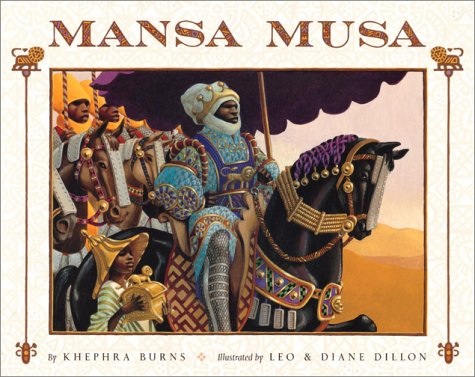 | Burns, K. (2001). Mansa Musa: The lion of Mali. San Diego, CA: Gulliver Books. A very moving tale of survival as a young boy is kidnapped from his village by slavers. Instead of becoming disenchanted, we follow his journey into self-awareness. We follow his journey across the African continent and his eventual return to his village and his eventual rise to become the leader of his country. Another text that has been in my classroom library and never really took the time to explore. I loved the story of KanKan and his determination to become more than just a slave. I would have loved to have been there to see KanKan and his entourage journey across the desert on their hajj to Mecca. I think that the story may become too much for elementary students to follow without the use of graphic organizers to help keep up with the many details in the story.
|
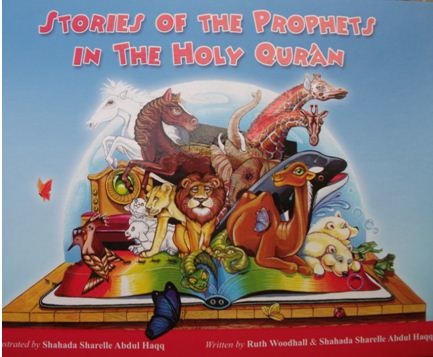
Woodhall, R., & Haqq, S. (2008). Stories of the prophets in the Holy Qur'an. Somerset, NJ: Tughra Books. The reader is provided with a brief biographical account of the prophets of the Qur’an. It provides readers with their significance to the Islamic faith. Not being very familiar with the Islamic faith, I was surprised that man of the people that I read about in my bible, appear as prophets in the Qur’an including Jesus. I also found it interesting that prophets are not shown and are shrouded out of respect to them and their contributions to the faith.
|  |
